How to Copyright Your Book on Amazon KDP
How to copyright your book on Amazon KDP: copyright page contents, when registration helps, and how it differs from trademark checks.
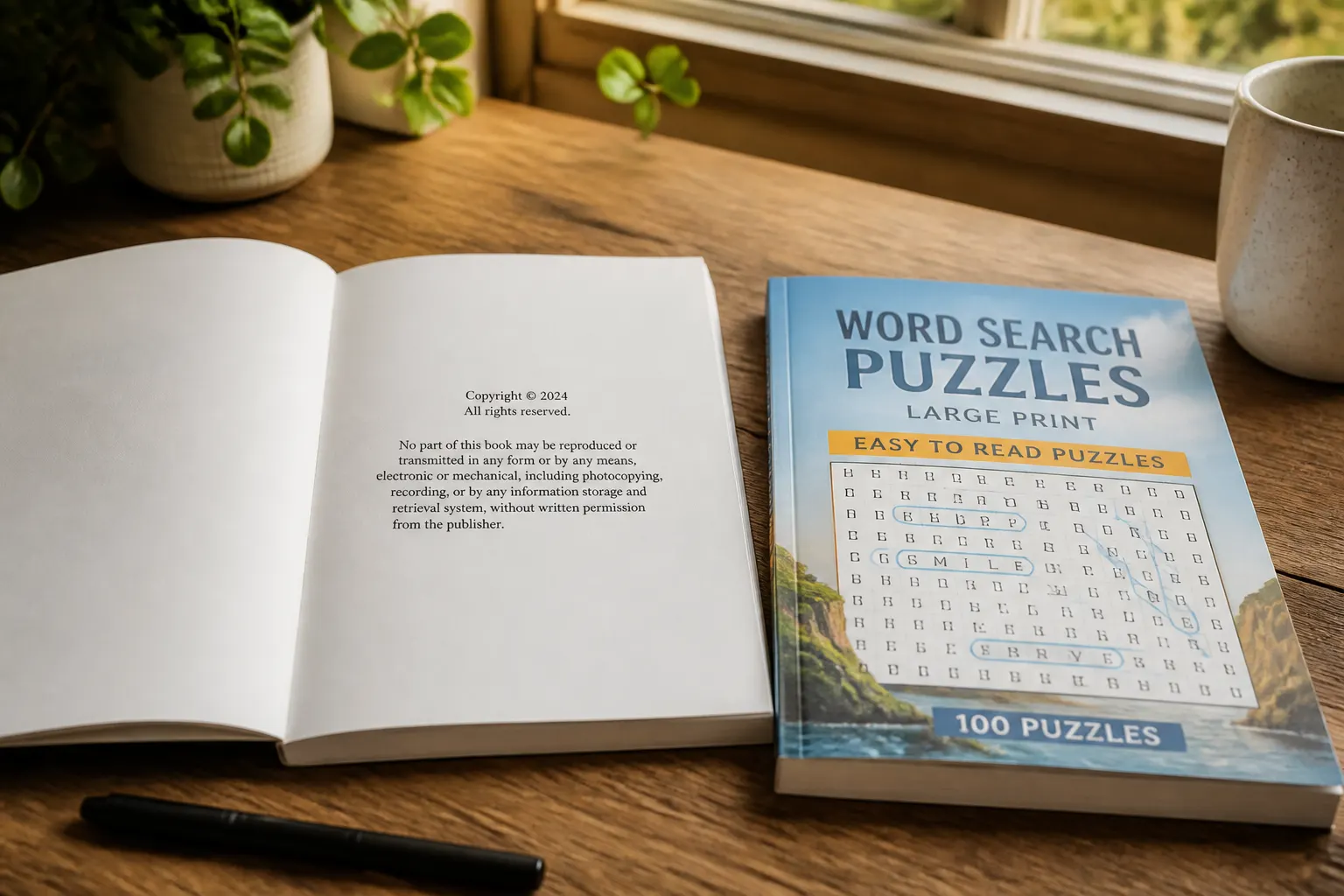
How to copyright your book on Amazon KDP usually means two different jobs: a copyright page inside the book, and optional formal registration. KDP does not register copyright for you. Screen titles separately with the trademark risks guide and the trademark checker.
If you are asking how to copyright my book after finishing an Amazon KDP interior, you are not alone. KDP prints and distributes the file you upload. It does not register copyright for you. This KDP-focused guide covers what protection you already have, when registration helps, what belongs on a copyright page for a book, and a copyright page example you can adapt.
Educational only , not legal advice. Copyright rules differ by country, and facts matter (work-for-hire, joint authorship, licensed stock). Confirm current procedures on copyright.gov (or your country’s office) and consult a qualified attorney for advice about your situation. RodBooks provides publishing workflow tools, not legal services.
See also: title wording before you print, marketing after publication, and full KDP publishing checklist.
What copyright means for a KDP book
In the United States, copyright exists automatically when you fix original work in a tangible form: a PDF interior, cover art you created, original puzzles, or original clues. Publishing on Amazon does not transfer that copyright to Amazon. KDP’s terms let Amazon sell the book; you still own the underlying work unless you used licensed assets that belong to someone else.
Automatic copyright is not the same as a registration certificate. Registration with the U.S. Copyright Office is optional for many publishers, but it is the usual path if you later need to enforce rights in U.S. federal court. Keep dated files: the interior PDF, cover file, and a short note of when you created them. If you ever need to show authorship, that archive is more useful than a copyright line you copied from a template.
RodBooks stores the compiled PDF on your side of the workflow; still download a copy to a folder you control. Name files with title, version, and date so Volume 2 does not overwrite Volume 1 in a vague “final-final.pdf.”
How to copyright my book before or after KDP upload
- Finish the version you intend to publish (or register a clearly identified draft if you are registering early).
- Confirm you own or have licenses for every word list, font, image, and puzzle.
- Add a copyright page of a book that names the copyright holder and year.
- Upload to KDP and keep your own archival PDF.
- If you want a registration record, file through the U.S. Copyright Office (or the equivalent office in your country).
You can register before or after Amazon goes live. Many low-content publishers skip registration on early test titles and register series that start earning. That is a business choice, not a KDP requirement. Registration fees, processing time, and deposit requirements change , always verify on the official site before you pay.
What KDP does and does not do
- KDP does not file your copyright application.
- A copyright page example in your PDF is a notice, not a government registration.
- Amazon may still remove a listing if a rights complaint is filed. Keep proof of creation and licenses.
- Public-domain word lists and common puzzle mechanics are not owned by you. Original arrangement, clues, and original word selection can still be protectable as a compilation in some cases. Do not copy another publisher’s unique lists or cover.
Copyright page for a book: what to include
A copyright page for a book usually sits on the verso after the title page. Puzzle and activity books still benefit from a short, clean notice so retailers, libraries, and readers can see ownership at a glance. Keep it honest. Do not invent ISBNs, Library of Congress numbers, or “All rights reserved in 180 countries” language you cannot stand behind.
Typical lines on a copyright page of a book:
- Copyright year and owner name (person or imprint).
- “All rights reserved” plus a short statement that copying the interior for resale is not allowed.
- Edition or volume number for series books.
- Disclaimer that the book is not affiliated with Amazon (optional but useful).
- Credits for licensed fonts, stock art, or contributing designers.
- Contact or imprint URL if you want readers to find Volume 2.
Copyright page example (KDP puzzle book)
Copy this copyright page example into your compiler, then replace bracketed text. RodBooks can insert a copyright block when you compile a word search or crossword interior. Edit it so the legal name matches the KDP account holder. This template is a starting point for formatting , not a lawyer-drafted agreement.
Copyright © [Year] [Legal name or imprint]
All rights reserved.

No part of this book may be reproduced, stored, or transmitted
for commercial purposes without prior written permission from
the copyright holder, except for brief quotations in reviews.

This is an independent publication. It is not affiliated with
Amazon, Kindle Direct Publishing, or any puzzle brand named
in customer reviews of competing titles.

First edition: [Month Year]
Cover and interior: [Your name or “designed in RodBooks”]
Contact: [email or website]
If you publish under a pen name, the copyright line can still use the legal owner, with the pen name noted as “published as.” Keep that consistent with your KDP account records. When in doubt about ownership language, ask a lawyer , do not invent corporate entities you have not formed.
Trademarks vs copyright
Copyright protects original expression. Trademarks protect brand identifiers in commerce. A title like “Word Search for Cat Lovers” is usually descriptive, not a trademark you can lock down. Do not put competitor brand names, TV shows, or sports leagues in titles or on covers. For title risk, see trademark risks in puzzle book titles and screen phrases in the KDP title trademark check before you print them on a wrap.
A clean copyright page does not fix a trademark-colliding title. Run both checks: ownership of your content, and collision risk in the title string shoppers see.
Practical workflow inside RodBooks
Generate the interior, add the copyright page, then export one print-ready PDF. Start with the word search generator or the crossword generator. Keep the same copyright block across a series so Volume 2 does not look like a different publisher.
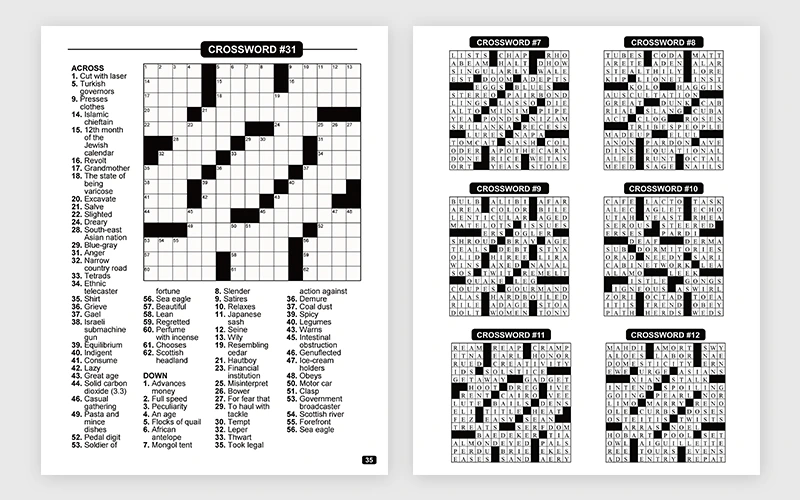
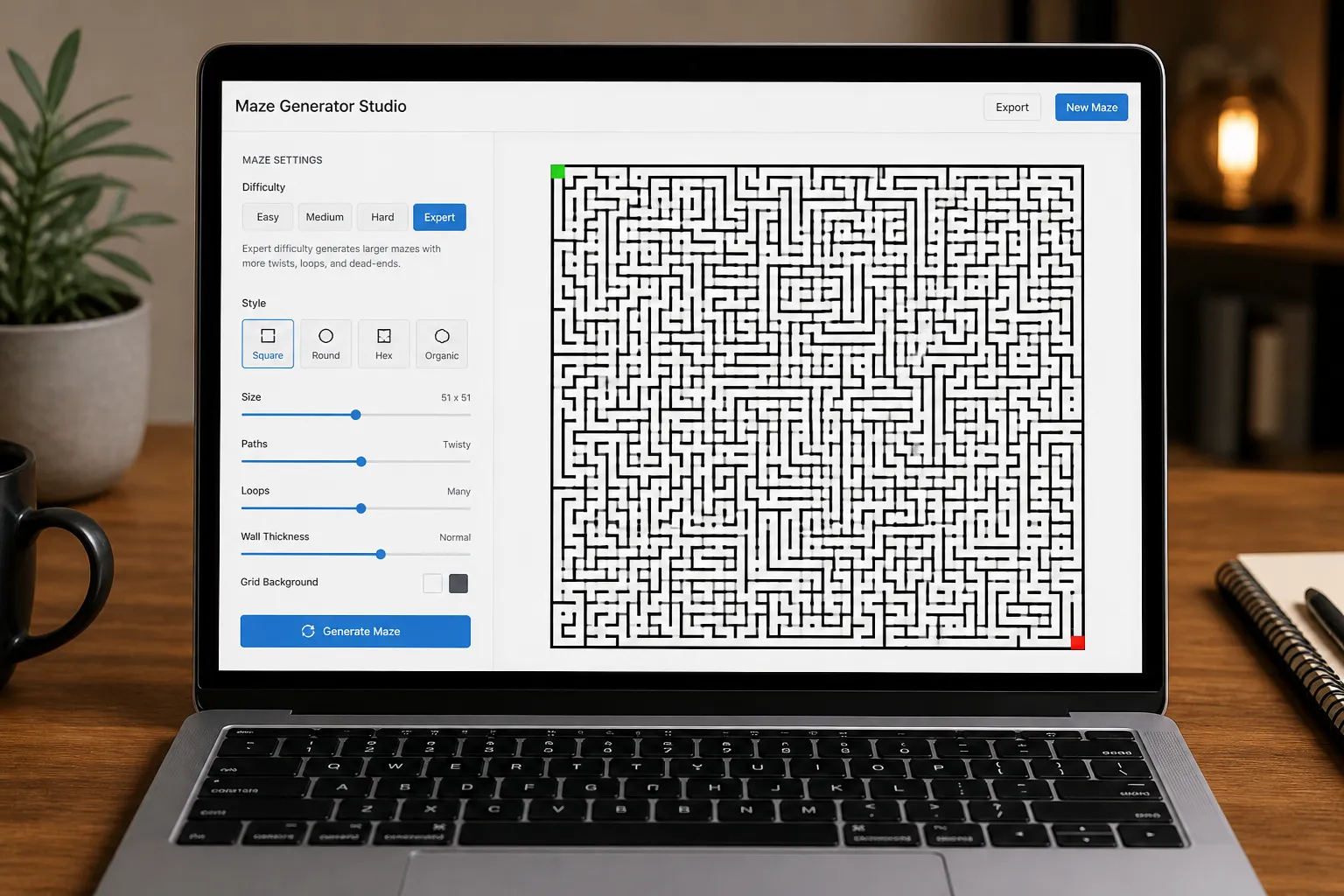
For maze and activity packs, preview the compiled pages before upload so the copyright leaf is not missing or duplicated. The maze generator follows the same compile-then-export habit: one archival PDF, one KDP upload, one dated backup on your drive.
Series consistency checklist
- Same imprint name and year format on every volume’s copyright page.
- Same contact URL or email so readers can find the next book.
- Archival folder per ASIN/ISBN with PDF, cover, and license receipts.
- Title trademark screen completed before ads spend starts.
- No copied word lists or covers from competing listings.
If a contractor designed the cover or wrote clues, keep the written license or work-for-hire agreement with the archival PDF. KDP account access is not proof of ownership of every asset inside the file.
When registration is commonly considered
Publishers often weigh registration when a title earns meaningful revenue, when a series is the brand, or when they plan to enforce rights. Registration is not a KDP checkbox and not a substitute for honest metadata. Fees, forms, and deposit rules are set by the copyright office , read the current instructions rather than copying a blog from five years ago.
Low-content and puzzle books raise fact-specific questions about what is original versus common mechanics. This article cannot decide protectability for your file. If ownership is contested or commercial stakes are high, get advice from a qualified attorney before you file or threaten enforcement.
Assets, licenses, and what belongs in your archive
Before you call a book “yours,” inventory every non-original piece: fonts, stock icons, AI-assisted art (if you use it), licensed word lists, and contractor deliverables. Save receipts and license PDFs next to the interior export. If a license is editorial-only or non-commercial, do not put that asset in a KDP paperback for sale.
Public-domain material can still be arranged in an original way, but copying another publisher’s unique themed list, distinctive cover layout, or clue set is a business risk even when someone claims “puzzles aren’t copyrightable” in a forum thread. Forums are not a court. When a competitor’s complaint could take down your ASIN, documentation beats vibes.
For collaborative books, write down who owns what before upload day. Verbal agreements dissolve when a listing starts selling. If RodBooks generated the grids from your word list, you still need clarity on cover art and any third-party images you dropped onto the wrap. The copyright page credits line is a good forcing function: if you cannot name the source, do not ship the asset.
KDP account, imprint, and notice consistency
Use the same legal owner name on the copyright page that you can defend in account records. Pen names are fine for the cover; confusion starts when every volume invents a new imprint spelling. Consistency helps readers, retailers, and anyone reviewing a rights question later.
Update the year when you release a revised edition with material changes. A new cover alone may not need a full rewrite of the notice, but a substantially new interior should not pretend to be last year’s file. Keep edition language boring and accurate. Hype claims do not belong on the copyright leaf.
Frequently asked questions
Does publishing on KDP copyright my book automatically?
You typically already hold copyright in original work when it is written or designed. KDP publication is distribution, not a substitute for U.S. Copyright Office registration. This is general information, not legal advice.
Do I need a copyright page of a book to pass KDP review?
Amazon does not require a copyright page for every paperback. It is still professional, helps rights questions, and is expected in many retail and library contexts.
Can I use this copyright page example as-is?
Use it as a template. Change names, year, and credits. Remove claims you cannot support. This is not a lawyer-drafted contract.
Should I register every low-content title?
Many publishers register only titles or series with meaningful revenue. Registration has fees and takes time. Weigh cost against enforcement value, and confirm current rules with official sources or counsel.
Start publishing free: create a RodBooks account and compile interiors with a real copyright page instead of shipping a PDF that starts on puzzle one.